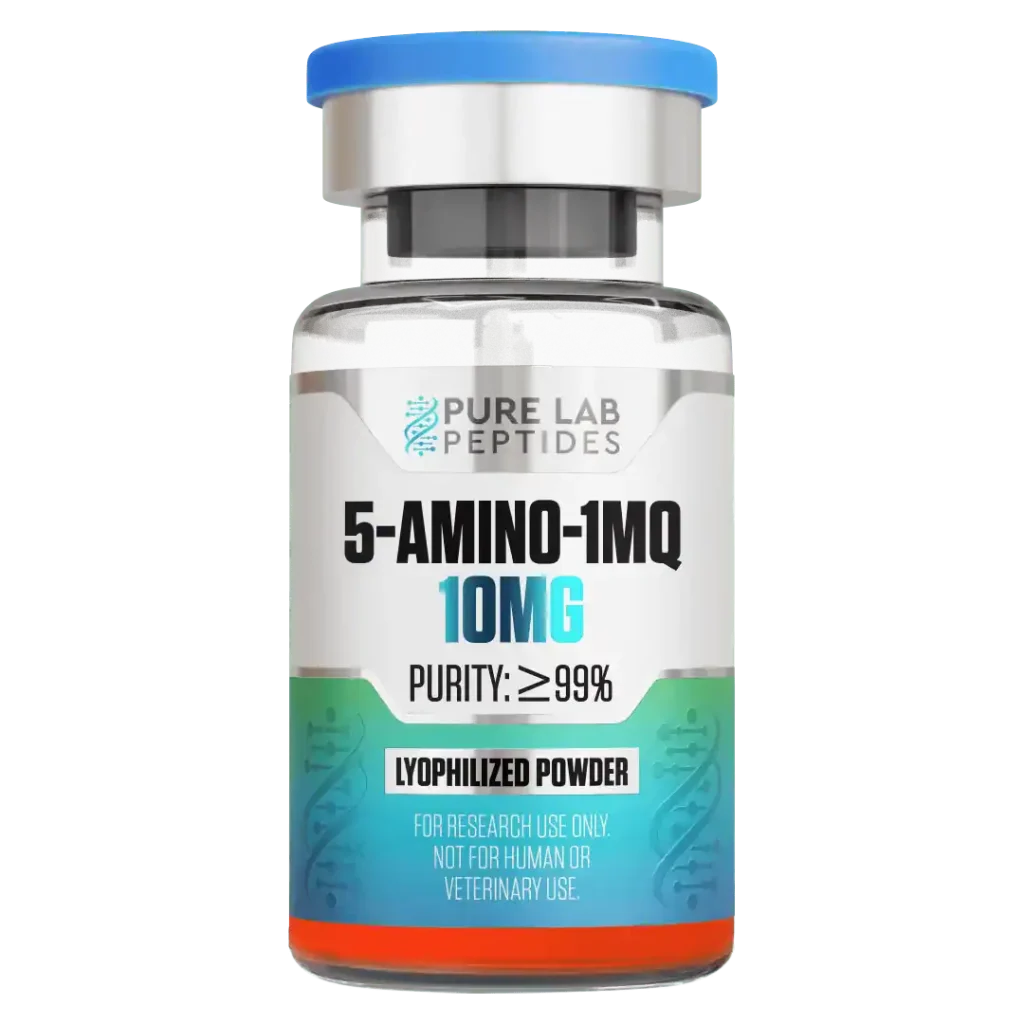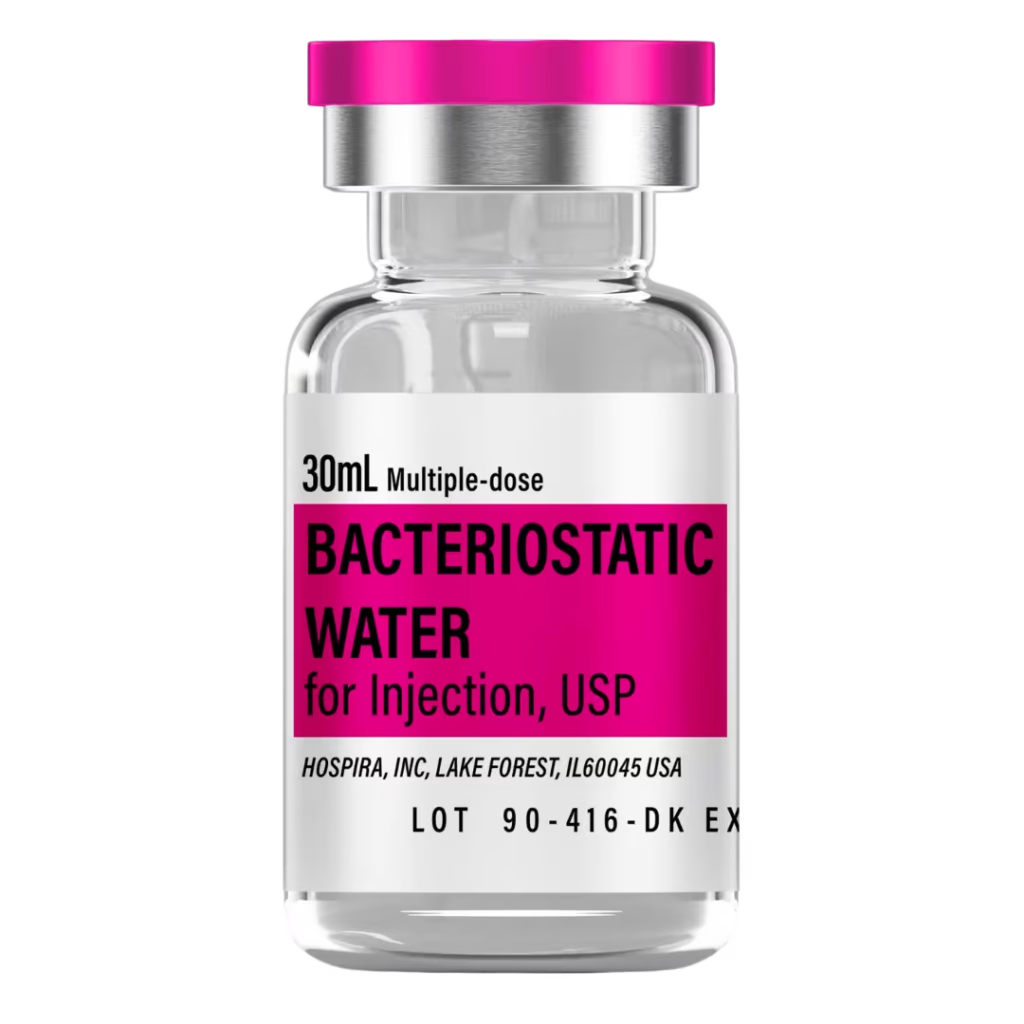
The GLOW peptide blend (GHK-Cu, BPC-157, TB-500) is dosed at approximately 2.33 mg daily via subcutaneous administration in educational protocols. A 70 mg blend reconstituted with bacteriostatic water yields roughly 23.3 mg/mL. Cycles typically run 4–8 weeks. This information is for research and educational use only.
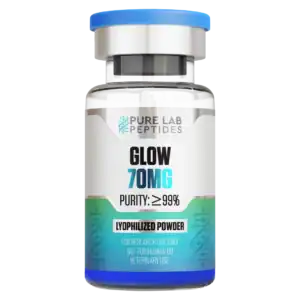
Educational guide for Research Preparation Information and daily dosing.
| Week | Daily Dose (mcg) | Units (per injection) (mL) |
|---|---|---|
| Weeks 1–4 | 2,330 mcg | 10 units (0.10 mL) |
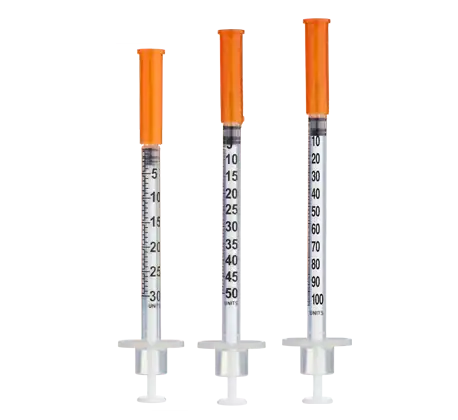
Frequency: Inject once daily subcutaneously. This schedule maintains a consistent dose throughout the 4-week cycle. For ≤10-unit (≤0.10 mL) administrations, consider 30- or 50-unit insulin syringes for improved readability.
Reconstitution Steps
Important: This guide is for educational purposes only and is not medical advice. For research use only. Not for human consumption.
Plan based on a 4-week daily protocol at standard dosing.
Concise summary of the once-daily regimen.
Straightforward daily dosing approach for balanced peptide delivery.
Proper storage preserves peptide stability and potency.
Practical considerations for safe and effective administration.
The three peptides in GLOW operate via distinct but complementary biological pathways to enhance healing and repair. GHK-Cu acts as a genomic modulator—it can upregulate a broad array of genes related to tissue growth and downregulate those linked to inflammation and tissue breakdown. Notably, GHK-Cu stimulates collagen and glycosaminoglycan synthesis in fibroblasts, promotes angiogenesis (formation of new blood vessels), and exhibits antioxidant and anti-inflammatory properties (for example, it suppresses NF-κB activity). These actions translate to improved wound contraction, tissue remodeling, and even anti-aging effects in skin.
TB-500 (Thymosin β4) primarily facilitates cell migration and cytoskeletal remodeling. After an injury, endogenous thymosin β4 is released by platelets and immune cells to protect tissues from further damage. TB-500 mimics this by binding to actin, a key cell structural protein, and promoting the mobilization of cells to the injury site. It thereby accelerates angiogenesis (new capillary growth) and recruits stem and progenitor cells, which aid in regenerating damaged tissues. TB-500 also has anti-apoptotic effects (reducing cell death) and modulates immune cells to limit excessive inflammation and fibrosis. One outcome of this mechanism is reduced scar tissue formation and more organized healing in wounds.
BPC-157 triggers a multi-factorial healing response. It is known to enhance growth factor signaling (e.g., increasing receptors for VEGF and PDGF) and upregulate nitric oxide pathways, leading to improved microcirculation in injured tissue. BPC-157 also directly counteracts inflammatory mediators—it lowers pro-inflammatory cytokines and increases anti-inflammatory factors at injury sites. On a cellular level, BPC-157 promotes the migration and survival of repair cells (fibroblasts, endothelial cells, etc.). For instance, in tendon cells it activates the FAK-paxillin pathway to increase cell movement and adhesion for repair. Additionally, BPC-157 supports the formation of new blood vessels (angiogenesis) similar to growth factors, helping deliver nutrients for regeneration. Through these mechanisms, BPC-157 has demonstrated accelerated healing in diverse tissues (muscle, tendon, bone, gut) in preclinical models.
By combining GHK-Cu, TB-500, and BPC-157, GLOW leverages these synergistic pathways—collagen synthesis, cell migration, angiogenesis, and inflammation control—to create an optimal environment for tissue repair. The net result observed in research is faster wound closure, stronger tissue regeneration, and reduced fibrosis compared to normal healing processes.
Observations from preclinical and clinical literature on the component peptides.
Note: These benefits are based on emerging research. Large-scale human clinical trials are still needed to confirm efficacy and safety for specific indications.
Complementary strategies to optimize tissue healing outcomes.
Subcutaneous Research Procedure guidance based on clinical best practices
Explore related research dosage protocols and background reading for BPC-157 + TB-500.
Explore related product information and general educational resources for BPC-157 + TB-500.